Dental Emergency Signs You Should Never Ignore
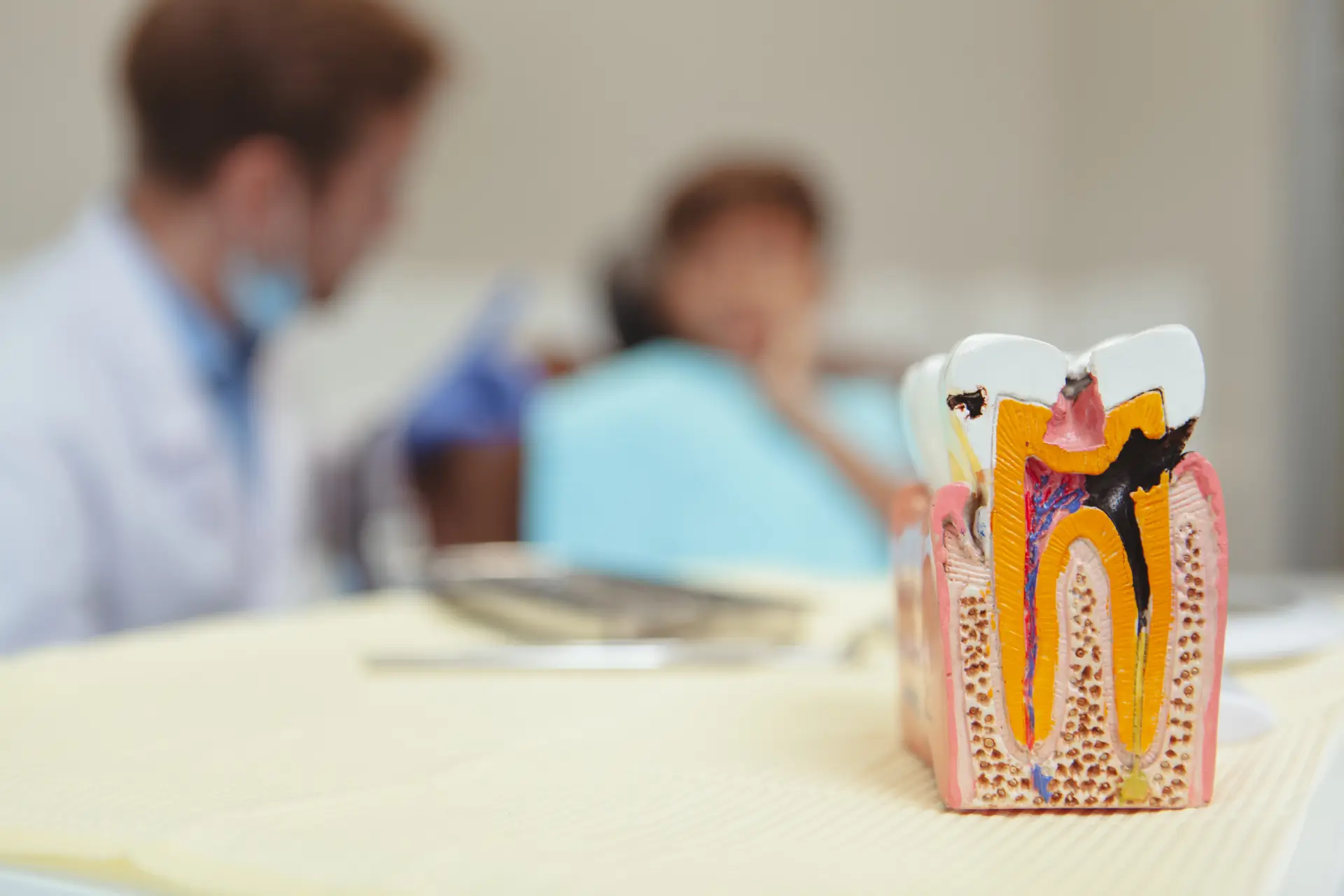
A toothache that keeps you awake, a swelling that changes the shape of your face, a tooth that suddenly moves when it never did before, these are not problems to "watch for a few days." In dental care, timing matters more than many people realize. A small issue can often be handled quickly and conservatively. The same issue, left alone over a weekend or pushed off for a few weeks, can turn into an infection, a lost tooth, or a much more complex and expensive repair.
One reason people hesitate Dental Emergency is that dental pain is unpredictable. Some serious problems hurt only a little at first. Others flare up dramatically and then seem to settle down, which creates false reassurance. I have seen patients wait because the pain eased after a day, only to arrive later with a spreading infection and a treatment plan that was much bigger than it needed to be. The body can adapt to a problem for a while. That does not mean the problem is going away.
Knowing the difference between a minor annoyance and a true Dental Emergency can spare you a great deal of trouble. It can also protect your overall health. Mouth infections do not stay politely contained forever. They can affect eating, sleeping, blood sugar control, work performance, and in severe cases, breathing and systemic health.
When a dental problem becomes an emergency
Not every chipped tooth or tender gum requires same-day treatment. A Dental Emergency is generally a situation in which delay could worsen pain, increase infection risk, threaten a tooth, or affect your ability to breathe, swallow, or function normally. Bleeding that does not stop, trauma to the mouth, facial swelling, fever with dental pain, and a knocked-out adult tooth all fall into this category.
The key is not just the symptom itself, but the pattern around it. A brief zing from cold water might suggest sensitivity. A constant, throbbing ache that radiates to the ear, worsens at night, and makes it hard to chew is a very different story. Mild irritation after getting popcorn hulls stuck in the gum is common. Gum swelling paired with pus, a bad taste, and increasing pressure points toward infection.
There is also a practical question to ask: if you do nothing today, is there a real chance the outcome will be worse tomorrow? If the answer is yes, you should treat it as urgent.
The signs people most often underestimate
Some dental emergencies are obvious. Most people know that losing a tooth in an accident is serious. The ones that get underestimated are quieter at first, or they masquerade as everyday problems.
Persistent tooth pain is one of the biggest examples. People often try to manage it with over-the-counter pain relievers and hope it burns out on its own. Pain medications can reduce inflammation and dull symptoms, but they do not remove decay, drain an abscess, or repair a crack running into the nerve. A tooth that hurts enough to interrupt sleep, concentration, or chewing needs prompt attention.
Swelling is another sign people misread. If your cheek, jawline, or gum is visibly enlarging, your body is reacting to something significant. Infection is a common reason. Even when the swelling starts small, it can spread into spaces around the face and jaw. If that swelling is increasing, especially over hours rather than days, the situation can move from dental problem to medical concern quickly.
A bad taste in the mouth or drainage from the gum can seem minor, but it often signals an abscess releasing fluid. Some patients say they felt intense pressure, then suddenly tasted something foul and the pain dropped. They assume the issue fixed itself. In reality, the drainage may have relieved pressure temporarily while the infection remains.
Loose teeth in adults should never be brushed off. Children naturally lose baby teeth. Adults do not. Mobility after an injury may indicate damage to the supporting structures. Mobility without injury may point to advanced gum disease, infection, or fracture. Either way, the clock matters.
Five warning signs that need prompt care
- Severe tooth pain that is constant, throbbing, or wakes you from sleep
- Swelling of the gums, face, or jaw, especially if it is getting worse
- A knocked-out, broken, or displaced adult tooth after trauma
- Bleeding in the mouth that does not stop with gentle pressure
- Fever, pus, foul drainage, or trouble swallowing along with dental pain
These signs do not all carry the same level of urgency, but none should be ignored. Trouble swallowing, difficulty breathing, or rapidly spreading swelling deserves immediate emergency medical evaluation, not just a call to the dentist.
Tooth pain that tells you something serious is happening
A lot of people have experienced brief tooth sensitivity from ice cream or cold air. That alone is not always an emergency. What raises concern is pain that lingers, intensifies, or changes your normal routine. Deep decay, an inflamed nerve, a cracked tooth, and an abscess can all produce pain patterns that patients describe in surprisingly similar ways: pulsing, pressure, tenderness when biting, pain that shoots into the temple, or discomfort that becomes much worse when lying down.
Night pain deserves special respect. When a patient says, "I could get through the day, but once I lay down it started pounding," that often suggests pressure inside the tooth or surrounding tissue. Nighttime worsening does not prove an infection, but it should raise suspicion. Teeth do not generally become intensely painful at rest for no reason.
Pain with chewing can point to a cracked tooth or inflammation around the root. Sometimes the person cannot identify the exact tooth. They just know one side feels wrong when they bite. That vagueness is common. Dental pain often refers or radiates. Waiting for it to become perfectly localizable is a poor strategy.
An especially deceptive pattern is pain that comes and goes. Intermittent symptoms can still reflect a serious issue. A crack may hurt only under certain bite pressure. A nerve may flare when triggered by heat. A draining abscess may calm temporarily after pressure is released. If symptoms recur, the underlying problem is still in play.
Facial swelling is never just a cosmetic issue
Swelling changes the stakes. Once tissues are visibly enlarging, there is often significant inflammation or infection behind it. A puffy gum over a wisdom tooth can be uncomfortable but manageable if treated early. A swelling that reaches the cheek, under the jaw, or toward the eye deserves far more concern.
One of the most important distinctions is location and progression. Localized gum swelling around one tooth can still be serious, but rapidly spreading facial swelling suggests that infection may be extending beyond the tooth itself. If you are having difficulty opening your mouth, swallowing, or speaking comfortably, those are red flags. If breathing feels affected, do not wait for a dental appointment. Seek emergency medical care.
People sometimes ask whether antibiotics alone can solve the problem. They can help in the right setting, but they are not a magic fix. If the source of infection is trapped inside a dead tooth or under pressure in an abscess, the cause often still needs drainage, root canal treatment, or extraction. Antibiotics without source control can produce brief improvement followed by a return of symptoms.
Trauma, broken teeth, and teeth that get knocked out
Injuries are one of the clearest reasons to act fast. A broken tooth may seem manageable if the piece is small and the pain is modest, but not all fractures are equal. A shallow chip in enamel is very different from a fracture that reaches the dentin or nerve. If the tooth is sensitive to air, painful, bleeding from the center, or visibly split, it needs prompt evaluation.
A knocked-out adult tooth is one of the few true race-against-the-clock situations in dentistry. The best chance of saving the tooth comes when it is handled correctly and reimplanted as soon as possible. Even delays of 30 to 60 minutes can reduce the odds of long-term success, though attempts may still be worthwhile later depending on the circumstances.
A tooth that has been pushed out of position, twisted, or loosened after a fall or sports injury also qualifies as urgent. The tooth might still look intact but the supporting ligaments and bone may be damaged. Stabilizing it quickly can improve the prognosis.
Children are a special case. If a baby tooth is knocked out, it is not usually put back in because that can harm the developing permanent tooth underneath. But trauma in a child still needs professional assessment, especially if there is bleeding, lip injury, or concern about damage to nearby teeth.
Gum infections and abscesses do not stay small forever
Many serious dental emergencies begin in the gums or at the tip of a tooth root. An abscess is essentially a pocket of infection, and its early signs can be subtle: tenderness, a little swelling, a pimple-like bump on the gum, or a sour taste that comes and goes. Once pressure builds, pain can become intense.
A common mistake is to wait until the face swells or fever appears. By that point, the infection has had time to advance. Earlier treatment is easier on the patient and usually simpler clinically. A localized dental abscess may be handled with drainage and definitive treatment of the tooth or gum source. A larger infection can require imaging, antibiotics, more invasive procedures, or emergency referral if the spread is concerning.
People with diabetes, immune suppression, recent cancer therapy, or certain chronic medical conditions should be even more cautious. Infections can escalate faster and heal more slowly in these groups. What might be an urgent office visit for one person can become a more serious medical issue for another.
Bleeding that does not stop
The mouth has an excellent blood supply, so even minor cuts can look dramatic. That said, bleeding should settle with direct pressure in a reasonable amount of time. If it does not, or if it restarts repeatedly, you need professional advice.
Bleeding after an extraction has its own normal range. Slight oozing for several hours is common. Steady bright red bleeding that soaks gauze over and over is not. The same applies after trauma. If a lip, tongue, or gum wound continues to bleed despite pressure, it needs assessment. People taking blood thinners may have more trouble controlling oral bleeding and should contact their dentist or physician promptly when bleeding seems excessive.
Sometimes the bleeding source is not obvious because it is mixed with saliva. Patients often describe it as "my whole mouth is filling up." That can be unsettling, but it also makes it important to sit upright, use clean gauze, and assess whether the bleeding is truly continuous. If you cannot get it under control, do not keep waiting.
What to do in the first hour
The first steps you take can make a real difference, especially with trauma and swelling. The goal is to limit damage, protect the area, and get the right kind of care quickly.
- Call a dentist immediately, and describe the symptoms clearly, including swelling, trauma, fever, and whether you can swallow and breathe normally
- For a knocked-out adult tooth, hold it by the crown, not the root, gently rinse if dirty, and place it back in the socket if possible, or keep it in milk or saliva on the way to care
- Use a cold compress on the outside of the face for swelling or injury, 10 to 15 minutes at a time
- Take over-the-counter pain relief as directed if you normally can, but do not place aspirin directly on the gum or tooth
- Go to urgent care or the emergency department right away if swelling affects breathing, swallowing, or the ability to open the mouth
There are also a few things not to do. Do not apply heat to a swollen face. Do not try to pop an abscess yourself. Do not ignore a cracked tooth because the pain faded. Do not assume antibiotics from an old prescription are appropriate or safe.
Situations that feel urgent but usually are not true emergencies
It helps to know what can often wait a short time, because not every dental problem requires a same-day scramble. A small chip with no pain, a lost filling without sharp sensitivity, mild gum irritation, or a dull toothache that responds to simple measures and is not worsening may be urgent but not emergent. These still deserve prompt scheduling, just not panic.
That said, context matters. A lost filling in a front tooth before a major event is an aesthetic urgency. A lost crown on a tooth that had recent root canal treatment may be less painful but still vulnerable. A chip on a sharp edge can cut the tongue and needs smoothing. What is "not an emergency" in the medical sense may still justify getting seen quickly to prevent trouble.
The distinction is important because people often use emergency departments for problems that are better handled in a dental office, yet they also underestimate the few situations that really do require medical emergency care. Knowing where to go can save time and lead to more appropriate treatment.
Why delay so often makes treatment bigger
Dental problems tend to enlarge in one of three ways. First, they spread. Decay deepens. Infection moves. Cracks lengthen. Second, they inflame surrounding tissues. A problem that began inside one tooth starts affecting the ligament, gum, or bone around it. Third, they limit options. A tooth that could have been restored with a filling may later need a crown, root canal, or extraction.
I have seen this with fractured molars many times. The patient notices a sharp twinge for weeks, avoids chewing on that side, and puts off calling because the pain Dental Emergency is tolerable. Eventually a large piece breaks off during dinner. What might once have been a bonded restoration becomes a difficult decision between root canal therapy with a crown or losing the tooth entirely. The delay did not just prolong discomfort. It changed the treatment menu.
Cost is another real-world factor. Emergency care can be stressful enough without financial uncertainty. Ironically, postponing care often increases expenses. Early management is not always cheap, but advanced treatment is rarely simpler or less expensive than catching the problem sooner.
A note about children, older adults, and medically complex patients
Children can have genuine dental emergencies, but they do not always describe them clearly. A child may complain of ear pain when the issue is actually a molar. Refusing to eat, waking at night, drooling more than usual, or crying when one side of the mouth is brushed can all be clues. Trauma to baby teeth also deserves respect, even when the tooth is not saved, because the injury can affect the developing adult tooth.
Older adults may underreport pain, especially if they assume discomfort is just part of aging or if they have reduced sensation from prior dental work. Root decay, broken crowns, dry mouth, and denture-related sores can escalate quickly. If eating becomes difficult, nutrition can suffer as well.
Patients with heart conditions, immune suppression, poorly controlled diabetes, recent joint replacement concerns discussed with their physicians, or histories of head and neck radiation should be especially proactive. For them, a dental infection is not merely a sore tooth. It can complicate broader medical care.
Trust patterns, not just pain
If there is one practical lesson worth remembering, it is this: pain level alone is a poor guide. Some severe infections cause only moderate pain. Some dramatic pain comes from conditions that are not dangerous but still need treatment. Swelling, fever, drainage, trauma, bleeding, mobility, and loss of function often tell you more than the pain score does.
Patients sometimes apologize for "overreacting" when they call about a possible Dental Emergency. In practice, it is far better to ask early than to wait until a manageable problem turns into an urgent one. Dentists would much rather reassure someone with a minor issue than treat a preventable crisis that worsened in silence.
If your symptoms are escalating, disturbing sleep, changing your face, involving fever, or affecting your ability to eat, swallow, speak, or breathe normally, do not negotiate with them. Get advice quickly. Teeth and gums can deteriorate quietly for a while, then all at once. The earlier you respond, the better your chances of preserving comfort, function, and in many cases, the tooth itself.
Vitality Dental
Address: 1220 Coit Rd #106, Plano, TX 75075
Phone number: +19726454100
FAQ About Dental Emergency
What can the ER do for a tooth?
An emergency room (ER) can manage pain and treat severe infections with medication, but it cannot fix or pull a tooth.
What is considered a dental emergency?
A dental emergency is any oral health problem that involves severe pain, uncontrollable bleeding, or an infection that threatens your health or requires immediate care to save a tooth.
Is there a 24-hour dental service in Plano, TX?
There is no physical dental clinic in Plano, Texas, that stays open with walk-in staff 24 hours a day, but several offices offer 24/7 phone support, late-night hours, or same-day emergency care.