How to Handle a Dental Emergency Before Seeing a Dentist in Plano, TX
A dental emergency has a way of changing the entire day in a matter of seconds. One bite into something hard, a missed step on the stairs, a sudden swelling that was not there at breakfast, and now every plan is on hold. Pain makes people rush, and panic often leads to the wrong first move. I have seen people put aspirin directly on the gums, try to glue a crown back in with household adhesive, or ignore a spreading infection because they hoped it would calm down overnight. Those decisions can make treatment harder and recovery longer.
If you are dealing with a broken tooth, a severe toothache, a lost filling, bleeding after an injury, or facial swelling, the hours before you reach a dentist matter more than most people realize. Good first aid can protect the tooth, reduce pain, lower the risk of infection, and give your dentist a much better starting point. Poor first aid can do the opposite.
For anyone searching for an emergency dentist Plano, TX residents can rely on, it helps to know what counts as urgent, what you can safely do at home, and when a dental problem is serious enough to skip the office and go straight to the emergency room. Not every dental problem is life-threatening, but some are time-sensitive in a very real way.
Start with one question: Is this a dental emergency or a medical emergency?
A lot of dental problems are urgent without being dangerous. A cracked tooth, a crown that came off, or a painful cavity needs prompt care, but those issues are usually managed in a dental office. Other situations cross into medical territory. Trouble breathing, difficulty swallowing, uncontrollable bleeding, major facial trauma, or swelling that is moving into the jaw, cheek, or neck can become dangerous quickly.
A useful way to think about it is this: if the problem threatens your airway, involves heavy bleeding, follows a significant head injury, or comes with fever and spreading swelling, do not wait for a routine dental visit. In those cases, urgent medical evaluation matters as much as the dental care itself.
The first 15 minutes matter most
When people are stressed, they tend to do too much. In most dental emergencies, the best first response is simple. Stay calm, rinse gently, control bleeding if present, protect the injured area, and call a dental office right away. The goal is not to fix the problem at home. The goal is to prevent it from getting worse until a professional can examine it.
Here is a practical sequence that works in many situations:
- Rinse your mouth gently with warm water to clear away blood, debris, or anything trapped between teeth.
- Apply clean gauze or a damp tea bag with steady pressure if there is bleeding, usually for 10 to 15 minutes without checking every few seconds.
- Use a cold compress on the outside of the cheek in 10-minute intervals to reduce swelling and blunt pain.
- Save any broken tooth pieces, crown, or knocked-out tooth, and bring them to the appointment.
- Call a dentist immediately and describe exactly what happened, when it happened, and whether swelling, bleeding, or fever is present.
That sequence is safe in most cases and buys valuable time. After that, the details depend on the specific emergency.
What to do for a knocked-out tooth
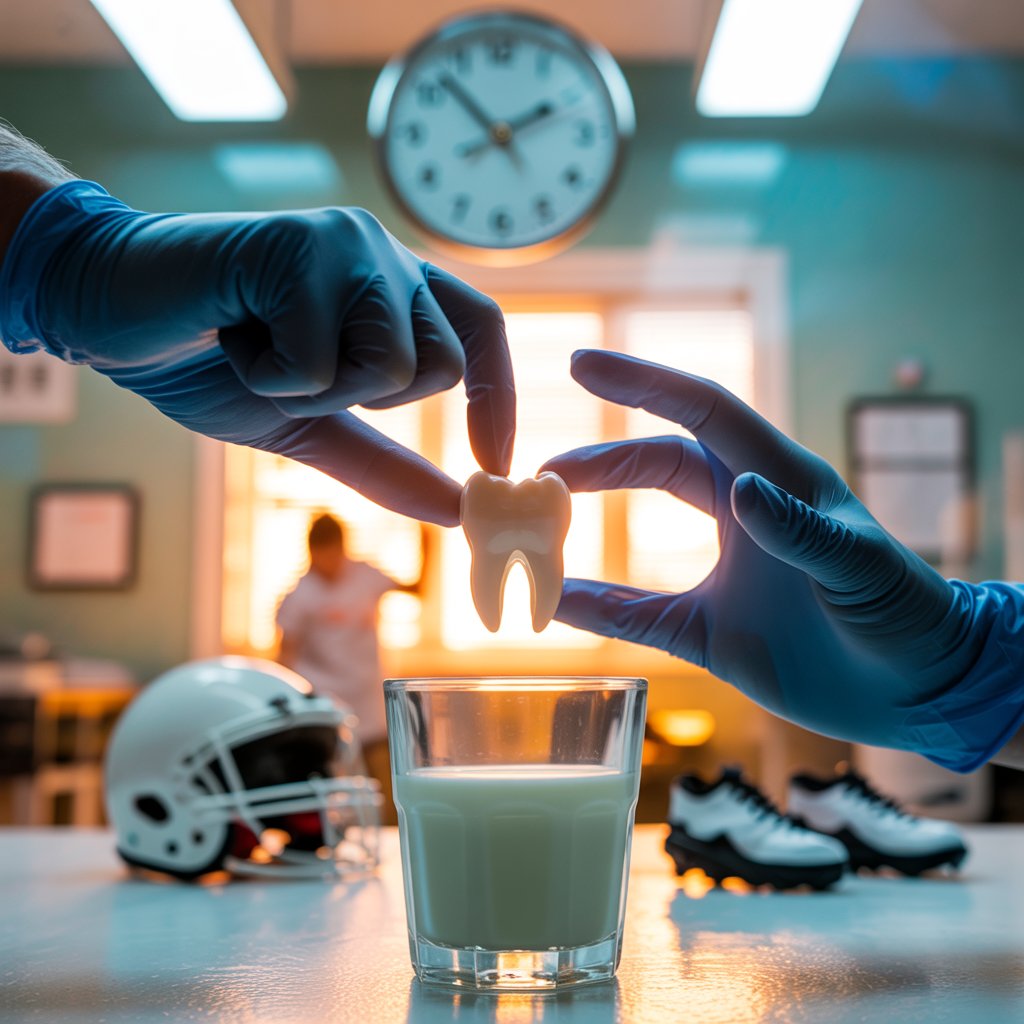
A knocked-out tooth is one of the few true race-against-the-clock dental situations. If it is an adult tooth, there is a real chance of saving it, but the odds drop as time passes. The best outcomes usually happen when the tooth is replanted quickly, ideally within 30 minutes, though dentists sometimes have success beyond that window depending on how the tooth was stored and how severe the injury was.
Pick the tooth up by the crown, which is the chewing surface or visible part of the tooth. Do not hold it by the root. If it is dirty, rinse it gently with milk or saline. If those are not available, use a brief rinse with water, but do not scrub it, scrape it, or wrap it in tissue. Scrubbing damages the delicate cells on the root surface, and those cells are exactly what matter for reattachment.
If the person is calm and alert, sometimes the tooth can be placed back into the socket right away, with the correct side facing forward, then held in place by gently biting on gauze. That is not something every patient feels comfortable doing, and it should never be forced. If replanting at home is not realistic, keep the tooth moist. Milk is a good option. A tooth preservation solution is even better if one happens to be available. As a last resort, the tooth can be held in the mouth between the cheek and gums by an older child or adult who will not swallow it. Plain water is not ideal for storage over time.
If the knocked-out tooth is a baby tooth, do not try to reinsert it. That can damage the developing permanent tooth underneath. A dentist still needs to evaluate the injury, but the first aid is different.
If a tooth is cracked, chipped, or broken
Not every broken tooth hurts immediately. Some people fracture a cusp, the pointed part of a back tooth, and feel only roughness. Others expose the nerve and feel sharp pain with every breath of cool air. The amount of pain does not always reflect the seriousness of the damage.
Rinse with warm water first. If there is swelling from a blow to the face, use a cold compress on the outside of the cheek. Save any fragments you can find. If the broken edge is cutting your tongue or cheek, cover it with dental wax if you have it. Sugar-free gum can work in a pinch, though it is not a long-term solution. Avoid chewing on that side.
A front tooth fracture after a fall or sports injury deserves quick attention even if the tooth still looks mostly intact. Hairline cracks can extend below the gumline, and trauma can affect the nerve or supporting bone without obvious external damage. A back tooth with a lost chunk often feels less dramatic, but if the fracture exposes dentin or pulp, bacteria and temperature changes can trigger severe pain fast.
Managing a severe toothache without making it worse
Tooth pain has a long list of causes. It might be decay, a cracked tooth, an abscess, inflamed nerve tissue, gum infection, or food packed tightly between teeth. The right first step is not always pain medicine. Sometimes the pain eases significantly once the area is cleaned.
Start by rinsing gently with warm water. Floss carefully around the sore tooth in case something is lodged between the teeth. This is worth doing because I have seen what looked like a serious emergency turn out to be a popcorn hull or meat fiber pressing on the gums. The relief, when that is the cause, can be almost immediate.
If pain persists, an over-the-counter pain reliever may help, assuming you can take it safely based on your medical history and the label directions. Ibuprofen is often useful for dental pain because inflammation is usually part of the problem, though some people need to avoid it because of ulcers, kidney disease, blood thinners, or other conditions. Acetaminophen can also help. What you should not do is place aspirin or any pain tablet directly on the gum. People still try this more often than you might think, and it can cause a chemical burn on already irritated tissue.
Lie with your head slightly elevated rather than flat if throbbing seems worse when you recline. That simple change sometimes takes the edge off while you wait to be seen.
Swelling is the symptom people underestimate
Pain gets attention. Swelling often gets postponed. That is a mistake. Swelling can signal a spreading dental infection, and dental infections do not always stay confined to the tooth. A small gum boil near one tooth may be uncomfortable but limited. Swelling in the jaw, cheek, floor of the mouth, or neck deserves much more concern.
If swelling is visible, use a cold compress externally. Do not apply heat. Heat can increase blood flow and sometimes worsen swelling or discomfort. Call a dental office promptly and mention whether the swelling is getting larger, whether you have a bad taste in your mouth, whether it hurts to bite, and whether you also have fever, fatigue, or swollen lymph nodes.
This is where judgment matters. If the swelling is mild and localized, a dentist may bring you in urgently the same day or next morning depending on timing. If the swelling is progressing, affecting speech, swallowing, or breathing, or if you feel generally ill, you are no longer dealing with a routine office problem.
A lost crown or filling feels minor until the tooth starts reacting
Crowns and fillings often come loose at inconvenient times, usually while chewing and often while traveling or during a weekend. If the tooth is not painful, people sometimes push the appointment off. That can backfire because the exposed tooth may be weakened, sensitive, or more likely to fracture.
If a crown comes off, keep it. Rinse both the crown and your mouth gently. If it slides back into place easily, some patients use a temporary dental cement from a pharmacy to hold it until the appointment. That can be reasonable if the fit is secure and you are careful. Household glue is never appropriate. If the crown does not seat properly, do not force it. An improperly positioned crown can affect the bite or damage the tooth.
With a lost filling, the tooth may become sensitive to sweets, air, or temperature changes. Avoid chewing there, and keep the area clean. Temporary dental material from a pharmacy can sometimes protect the tooth for a short period, but it does not replace treatment. A filling usually comes out for a reason, decay under the restoration, breakdown of the tooth structure, or a bite issue that needs correction.
Bleeding after a dental injury
Mouth injuries tend to bleed more than people expect. The tissues in the lips, cheeks, gums, and tongue have a rich blood supply, and even a small cut can look dramatic. The right response is steady pressure, not repeated peeking.
Use clean gauze or a clean cloth and hold firm pressure on the area for 10 to 15 minutes. If bleeding slows but resumes when you release pressure, start another full interval. Cold compresses on the outside of the mouth can help. If a lip or tongue laceration is deep, gaping, or bleeding heavily despite pressure, it may need stitches and should be evaluated promptly.
When a tooth injury follows a fall, a collision, or a sports accident, remember that dental trauma sometimes comes with jaw fracture, concussion, or facial bone injury. If the bite suddenly feels very off, the jaw cannot open normally, or there is numbness, those are not minor findings.
What not to do while you wait
People often ask about home remedies, and this is one area where restraint helps. A few choices are especially important to avoid:
- Do not put aspirin, clove oil, alcohol, or crushed tablets directly on the gums or tooth.
- Do not use household glue to reattach crowns, bridges, or broken tooth pieces.
- Do not ignore facial swelling, fever, or foul drainage because the pain temporarily eased.
- Do not chew ice, nuts, crusty bread, or hard candy on a damaged tooth.
- Do not delay calling because the office is about to close, many dental emergencies are easier to treat the same day than the next.
The point is not that every home remedy is dangerous, but that makeshift fixes often create new problems. Dentists would rather see an untreated emergency than one complicated by burnt gums or glued restorations.
If braces, wires, or appliances are causing the emergency
Orthodontic issues fall into a different category. A poking wire, broken bracket, or loose retainer can be painful, but these are usually not true emergencies unless there is significant trauma, bleeding, or swelling. If a wire is irritating the cheek, orthodontic wax is the best quick fix. If no wax is available, a small piece of sugar-free gum can cover the end temporarily. Try not to cut wires at home unless your orthodontist specifically advises it and you can do so safely.
For a removable appliance that suddenly no longer fits, leave it out and call the office. For a fixed appliance that has shifted after an injury, especially if teeth feel loose or the bite changed, prompt professional evaluation matters.
Children bring a few extra considerations
Pediatric dental emergencies can be harder to judge because children may struggle to explain what they feel. They also tend to have more soft tissue injuries from falls, trampoline mishaps, scooter accidents, and sports. A chipped front baby tooth may look alarming but not always require aggressive treatment. A displaced permanent tooth in a child or teen is more urgent.
If a child hit their mouth and is unusually sleepy, vomiting, confused, or complaining of headache in addition to tooth or lip injury, think beyond the teeth. Head injuries take priority. For younger children, keep any loose tooth fragments out of reach to prevent swallowing. If a permanent tooth is knocked out, the same time-sensitive guidance applies as it does for adults.
Pain control and comfort until the appointment
The safest approach to pain is usually a combination of local measures and appropriate over-the-counter medication if you are able to take it. A cold compress can help with injury-related pain and swelling. Soft foods are easier to tolerate, think yogurt, eggs, soup that is warm rather than hot, mashed potatoes, oatmeal, or smoothies sipped carefully if cold does not trigger pain. Avoid very hot drinks, alcohol, and smoking, which can intensify irritation and delay healing.
Sleep can be difficult during a dental emergency. A slightly elevated head position often reduces throbbing. If a sharp tooth edge is the main problem, covering it temporarily with dental wax can make a big difference. If the pain is severe enough that you cannot sleep, eat, or function, say that clearly when you call. Dental teams triage based on symptoms, and details matter.
When the emergency room is the right choice
Dentists handle a wide range of urgent problems, but there are times when a hospital is the better first stop. This is especially true if the issue involves the airway, significant trauma, or signs of a spreading infection that may need imaging, IV medication, or medical monitoring.
Go to an emergency room rather than waiting for a dental office if you have:
- Trouble breathing, trouble swallowing, or swelling under the tongue or into the neck.
- Uncontrolled bleeding that does not improve with firm pressure.
- Severe facial trauma, suspected jaw fracture, or a tooth injury with loss of consciousness.
- Fever with rapidly increasing facial swelling or a generally ill appearance.
- Deep cuts to the face, lips, or tongue that may need stitches.
That does not replace dental follow-up. It simply recognizes that some dental emergencies become medical emergencies.
How to make the call to a dental office more useful
When patients call in panic, they often say only, “My tooth hurts,” or, “I broke something.” The office can help you faster if you give a clear summary. Mention whether the pain began suddenly or has been building for days. Say whether swelling is visible. Describe whether the tooth is loose, broken, or knocked out. If there was trauma, explain how it happened. If you have fever, difficulty opening your mouth, bad taste or drainage, or bleeding that has not stopped, say so early in the call.
If you are looking for an emergency dentist Plano, TX has many options, but not every office handles urgent cases the same way. Some reserve same-day emergency slots. Some can manage trauma and Vitality Dental Emergency dentist Plano, TX infection but not oral surgery after hours. Some will guide you to an urgent care or hospital if your symptoms sound medically risky. Clarity on the phone helps everyone make the right call.
Why timing changes the treatment plan
A common assumption is that waiting a day or two rarely matters. In dentistry, timing often changes what can be saved and how invasive the treatment needs to be. A small crack may become a split tooth under normal chewing. A cavity that was causing intermittent pain can become an abscess. A loose crown can expose a tooth that then fractures. A knocked-out tooth that might have been replanted can become unsalvageable after drying out too long.
Even when the final treatment ends up being the same, prompt care often means less pain, fewer complications, and lower cost. Draining an infection early is usually simpler than treating a widespread one. Smoothing a fresh chip may prevent soft tissue injury and preserve appearance. Recementing a crown quickly can be easier than rebuilding a tooth that broke after the crown came off.
A little preparation can save a lot of stress
Most people do not think about dental first aid until they need it. It helps to keep a few basics at home: gauze, a cold pack, dental wax, temporary dental cement, and a small bottle of saline or access to milk if sports injuries are common in your household. Save your dentist’s number in your phone before there is an emergency. If your child plays baseball, basketball, football, soccer, hockey, or rides bikes aggressively, a custom mouthguard is not overkill. It is one of the few preventive steps that reliably reduces dental trauma.
This is also a good reminder that many “sudden” emergencies have a long lead-up. The tooth that breaks often had a large old filling. The swelling that appears overnight often started with a cavity months earlier. The crown that falls off often had recurrent decay or a bite issue developing slowly. Regular exams do not eliminate emergencies, but they reduce the odds and make them easier to manage when they happen.
The real goal before you get to the dentist
Before you sit in the dental chair, your job is not to solve the problem. It is to protect the tooth or tissues, reduce pain safely, and avoid actions that complicate treatment. That means keeping a knocked-out tooth moist, controlling bleeding with pressure, cooling swelling from the outside, avoiding harsh home remedies, and seeking timely care based on the severity of the symptoms.
A dental emergency feels immediate because it is. But immediate does not have to mean chaotic. Calm first aid and a prompt call can make a meaningful difference in what happens next, whether that means saving a tooth, controlling an infection, or simply getting you through the next few hours with less pain and more confidence.
Vitality Dental
1220 Coit Rd # 106, Plano, TX 75075, United States
+1 972-645-4100
FAQ About Emergency dentist Plano, TX
Will the ER do anything for dental pain?
An emergency department can assess urgent symptoms and provide medical stabilization. Definitive treatment of the tooth usually requires a dentist. Seek emergency medical care for breathing or swallowing difficulty, uncontrolled bleeding, or serious facial injury.
What to do if I have a dental emergency in the middle of the night?
Contact a dentist or after-hours dental service promptly for guidance. If a permanent tooth is knocked out, keep it moist in milk while seeking immediate care. If symptoms suggest a medical emergency, go to an emergency department.
What qualifies as a dental emergency?
A knocked-out permanent tooth, severe or persistent tooth pain, a significant dental injury, or swelling may require urgent dental assessment. Call a dentist to describe the symptoms and determine timing. Uncontrolled bleeding or difficulty breathing or swallowing requires emergency medical care.