What to Bring to an Emergency Dental Appointment
A true dental emergency has a way of scrambling your priorities. One minute you are eating lunch or getting ready for bed, the next you are dealing with sharp pain, swelling, bleeding, or a broken tooth that changes your whole day. In that moment, most people focus on one thing only: getting seen as fast as possible. That instinct makes sense, but what you bring to Vitality Dental Dental Emergency the appointment can shape how smoothly the visit goes and, in some cases, how much a dentist can save.
When patients arrive prepared, a dental team can move faster. They can confirm your health history, assess the injury with fewer delays, and make better treatment decisions with the information and materials you provide. That matters whether the problem is a cracked molar, a lost crown, an abscess, or a knocked-out tooth. In a dental emergency, details that seem minor at home can become clinically important in the chair.
The goal is not to pack for every possible scenario. It is to bring the right essentials, avoid common mistakes, and understand what helps your dentist treat the problem safely and efficiently.
Why preparation matters more than people expect
Emergency dental care is often time-sensitive, but it is not only about speed. It is also about clarity. A dentist needs to know what happened, when it happened, what your symptoms have done since then, and whether you have any medical issues that affect treatment. If you show up in significant pain and cannot think clearly, those details are easy to forget.
I have seen people carry in a broken filling wrapped in a napkin, a crown in a pocket, or a tooth fragment loose at the bottom of a bag. Sometimes that is fine. Sometimes it means a restorable tooth can no longer be bonded properly because the fragment dried out, got contaminated, or disappeared. The same goes for medications. Many patients say, “I take a blood thinner, but I cannot remember which one.” That is not a small point when bleeding, infection, injections, or oral surgery are involved.
Preparedness does not need to be elaborate. A few practical items, gathered quickly and thoughtfully, can make the appointment easier for you and more useful for the dental team.
The short version: what to grab before you leave
If you only have five minutes, focus on the basics that directly affect diagnosis, treatment, and payment.
- A photo ID, dental or medical insurance card if you use one, and a form of payment
- A current list of medications, allergies, and major medical conditions
- Any broken tooth pieces, crown, bridge, denture part, aligner, or appliance involved in the problem
- Your phone, with photos of swelling, bleeding, or the original injury if you took any
- A small clean container, gauze, and any paperwork from urgent care or the emergency room
That list covers most emergencies well. The specifics depend on what kind of dental emergency you are dealing with, and that is where judgment matters.
Start with the information your dentist needs to treat you safely
People tend to think of emergency dental visits as purely mechanical. Something broke, something hurts, please fix it. Dentistry is more nuanced than that. The same broken tooth can be treated differently in a healthy young adult, a pregnant patient, someone on anticoagulants, or someone with uncontrolled diabetes.
Bring identification and insurance information if applicable, even if your office already has your records. Dental practices often need to verify coverage, update forms, or confirm policy details before certain procedures. If you are a new patient, this is especially important. If you do not have dental insurance, bring a payment method and be prepared to discuss costs, because emergency care commonly involves an exam, X-rays, and one or more immediate procedures.
Your medication list matters more than many people realize. It should include prescription drugs, over-the-counter medications you have taken that day, and supplements if they are medically relevant. This is not administrative busywork. Pain relievers affect treatment decisions. Blood thinners affect bleeding risk. Bisphosphonates can matter if extractions are considered. Steroids and immunosuppressants can influence healing and infection management. If you have a note in your phone with medication names and dosages, that is often enough.
Allergy information needs to be precise. “I think antibiotics upset my stomach once” is not the same as a true drug allergy. If you know you react to penicillin, latex, certain metals, or common pain medications, say so clearly and early.
It also helps to bring any recent medical or dental records tied to the same issue. If urgent care prescribed antibiotics for facial swelling or an emergency room ruled out a deeper infection, those details save time and reduce guesswork. Even a discharge summary photo on your phone can help.
If a tooth, crown, or restoration came out, bring the actual piece
Patients often ask whether a lost crown or broken tooth fragment is worth saving. In many cases, yes. Dentists regularly re-cement crowns, evaluate bridge sections, repair dentures, and sometimes bond fragments back into place when the conditions are favorable. Even if the piece cannot be reused, it can tell the dentist a lot about how the tooth failed.
A clean, rigid container is better than a tissue or paper towel. Tissues get thrown away by accident. Paper dries things out. Small plastic containers, travel pill boxes, or even a clean food storage cup work better. For a knocked-out permanent tooth, handling is especially important. Hold it by the crown, not the root. If it is dirty, a gentle rinse is reasonable, but scrubbing is not. The goal is to preserve the root surface as much as possible.
A crown that has been out for a day or two may still be useful to bring in, even if it no longer fits well. Sometimes the issue is decay under the crown and it cannot simply go back on. Other times the crown itself is intact and can be used temporarily while a more durable plan is made.
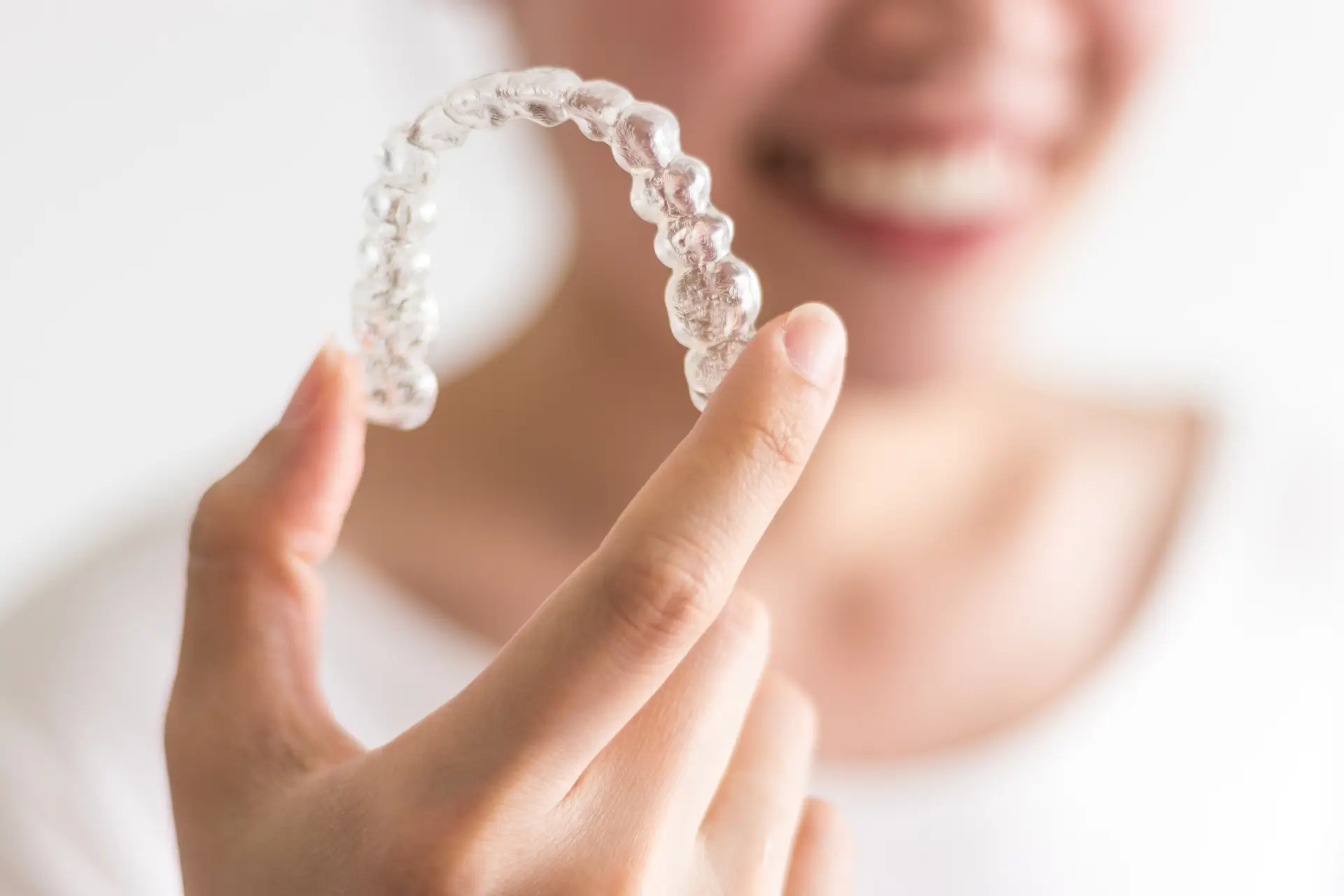
The same logic applies to orthodontic appliances, removable retainers, dentures, night guards, and aligners. If they are part of the problem, bring them. A broken acrylic flipper, a cracked partial denture, or a sharp aligner edge may explain symptoms that are harder to identify from memory alone.
Photos can be surprisingly useful
If you or someone with you took a clear photo when the injury happened, keep it. Dentists are often evaluating a problem after swelling has shifted, bleeding has stopped, or a tooth has dried out and changed appearance. A time-stamped photo of a fresh injury can clarify the mechanism and severity.
Photos are particularly helpful for intermittent swelling, mouth sores that flare and fade, trauma from sports, and injuries in children who had a lot of bleeding initially but look calmer by the time they arrive. If your face looked dramatically more swollen two hours earlier, showing that change can guide how urgently the team assesses spreading infection or soft tissue trauma.
Do not spend ten minutes trying to get a perfect mouth photo while you are in pain. If you have useful images already, great. If not, it is not worth delaying care.
Pain changes memory, so write down the timeline
One of the most practical things Dental Emergency you can bring is a brief note, especially if the pain has been building for hours or days. It can be as simple as a few sentences on your phone: when symptoms started, what triggered them, whether cold or heat makes them worse, whether you have had fever, and what medication you already took.
That may sound excessive for a dental emergency, but once people are in the chair, they often forget key details. Did the swelling begin this morning or yesterday evening? Was the tooth sensitive for weeks before it cracked? Did you take ibuprofen at 6 a.m. Or acetaminophen an hour ago? Those details affect diagnosis, pain management, and whether symptoms point more toward nerve inflammation, infection, trauma, or gum-related causes.
If the patient is a child, a partner or parent should ideally come along if they know the history better. A frightened patient, especially one in severe pain, is not always the best historian.
What to bring for specific kinds of dental emergency
The basics stay the same, but some situations call for a few extra items or a different level of urgency.
- For a knocked-out permanent tooth, bring the tooth in milk or an appropriate tooth preservation solution if available, and get to the dentist immediately
- For swelling or possible infection, bring a temperature reading if you took one, plus any antibiotics or pain medicines already started
- For bleeding after an extraction or dental procedure, bring the post-op instructions and know what type of gauze or tea bag pressure you used
- For jaw injury or facial trauma, bring any urgent care or hospital imaging reports if you have them
- For broken dentures or appliances, bring all pieces, even small fragments that seem unimportant
That is where preparation stops being generic and starts becoming useful. A knocked-out tooth is the clearest example. Time is critical, and the storage method matters. A tooth carried dry in a wallet is not the same as a tooth transported properly within the first hour. Your dentist may still attempt treatment, but the odds change.
With swelling, what matters most is often not the exact size but the pattern. Is it localized near one tooth, or spreading toward the eye, cheek, or under the jaw? Did you have trouble swallowing, opening your mouth, or breathing? If you have records from a same-day medical visit, those can be highly relevant.
What not to bring, and what not to do on the way
People mean well, but a few common habits create problems. The first is bringing loose objects in a pocket or wrapped in tissue. Small restorations are easily lost. Fragments can become contaminated. A container is better.
The second is self-medicating too aggressively. It is common to see patients who have taken more pain medicine than recommended because they were desperate to get through the morning. Bring the medication bottles or a clear list if there is any chance you exceeded the usual dose. That is important medically and legally. Dentists need to know what is already in your system before advising more.
Another issue is using temporary repair products without understanding their limits. Over-the-counter dental cement can sometimes help hold a crown briefly, but do not glue a crown back with household adhesive, and do not place aspirin directly on gum tissue. The old home remedy of “holding aspirin on the tooth” can burn the soft tissue and create a second problem.
Food and drink can also complicate a visit. If you suspect you may need sedation, oral surgery, or treatment that could be affected by eating, ask when you call whether you should arrive fasting. For many routine emergency dental visits, eating is fine. For some procedures, it may not be. A quick phone question prevents confusion.
The value of calling before you leave
The single best preparation step is often one phone call. Tell the office exactly what happened and ask if there is anything specific they want you to bring. Dental teams triage by phone all day. They can tell you whether your situation sounds urgent, whether a general dentist or oral surgeon is more appropriate, and whether there are immediate first-aid steps you should take on the way.
This is especially important for trauma, uncontrolled bleeding, rapidly worsening swelling, or a dental emergency that involves fever, facial asymmetry, or difficulty breathing. Some symptoms go beyond routine dentistry and belong in a hospital setting first. A good front desk coordinator or clinical team member can help direct you appropriately.
That same call is also the time to ask practical questions. Will they need previous records? Do they accept your insurance? Should you bring someone to drive you home if a procedure is likely? Can you complete forms online before arrival? Five minutes on the phone can save twenty in the waiting room.
For parents bringing a child
Pediatric dental emergencies carry a different kind of stress. Parents are often balancing panic, bleeding, and a child who cannot describe what hurts. In those cases, bring comfort items if they genuinely help, but keep the core clinical pieces in place: medical history, medications, injury details, and any tooth fragments.
One point causes confusion repeatedly: whether the lost tooth was baby or permanent. If you are not sure, say so. Do not guess. Replanting a baby tooth is generally not handled the same way as a permanent tooth, and that distinction matters immediately. If the injury happened at school or during sports, any notes about the time and mechanism of injury help. “He fell on the playground” is useful, but “He hit the edge of a metal step at 1:15 p.m. And the tooth came out fully” is better.
It also helps to bring another adult if one person needs to manage paperwork while the other comforts the child. That sounds simple, but in practice it can make a chaotic visit much smoother.
For older adults and medically complex patients
Older adults often have more medication interactions, more extensive dental work, and more medical conditions that affect care. If you are bringing a parent, spouse, or relative to an emergency appointment, bring an updated medication list and the names of their physicians if possible. This matters even more if the patient has heart disease, dementia, diabetes, osteoporosis treatment history, or a recent hospitalization.
Dentures, implant components, bridges, and partials can all complicate what seems like a straightforward pain visit. If the person has had trouble explaining what feels “loose,” bring the appliance itself, any removed pieces, and a brief written history of when the problem started. Older patients in pain may minimize symptoms, especially infection-related symptoms. A caregiver who says, “She has not been eating on that side for three days and had a low-grade fever last night,” can provide information the patient would not volunteer.
Payment, consent, and practical logistics
Emergency treatment is still healthcare, which means paperwork matters. Bring your ID, insurance information, and a way to pay for services not covered that day. Some offices can only provide limited emergency treatment without signed consent forms or guardian authorization. If the patient is a minor and the legal guardian will not attend, call ahead to ask what documentation is required.
If you know you get anxious in the dental chair, mention that when you call and bring anything routinely used to manage appointments, such as headphones or a written list of concerns. Anxiety does not change the emergency, but it can change how the team paces the visit and explains options.
It is also wise to allow more time than you think you need. An emergency exam may lead to X-rays, drainage of an infection, a temporary restoration, an extraction, a referral, or simply pain control and a plan for definitive treatment later. Not every emergency is fully “fixed” in one visit. Sometimes the main goal is to stop pain, control infection, or stabilize damage until a longer appointment can be scheduled.
What your dentist hopes you walk in with
From the clinician’s side, the ideal emergency patient does not arrive with a perfect folder of records and a labeled specimen cup. They arrive with enough useful information to make the next decision safer and faster. That usually means knowing what happened, bringing whatever came out of the mouth, being honest about medications and symptoms, and calling ahead when possible.
A dental emergency is disruptive by nature. You may be in pain, embarrassed about a broken front tooth, or worried about cost. Preparation will not erase that stress. What it does is remove the preventable obstacles. It gives the dental team a clearer view of the problem and gives you a better chance of leaving with relief, answers, and a realistic treatment plan.
If you remember nothing else, remember this: bring your health information, bring the broken or missing piece if there is one, and bring a clear account of what happened. Those three things solve more problems than people expect, and in the middle of a dental emergency, that is exactly what matters.
Vitality Dental
Address: 1220 Coit Rd #106, Plano, TX 75075
Phone number: +19726454100
FAQ About Dental Emergency
What can the ER do for a tooth?
An emergency room (ER) can manage pain and treat severe infections with medication, but it cannot fix or pull a tooth.
What is considered a dental emergency?
A dental emergency is any oral health problem that involves severe pain, uncontrollable bleeding, or an infection that threatens your health or requires immediate care to save a tooth.
Is there a 24-hour dental service in Plano, TX?
There is no physical dental clinic in Plano, Texas, that stays open with walk-in staff 24 hours a day, but several offices offer 24/7 phone support, late-night hours, or same-day emergency care.